Korean Vans for Shuttle and Family Business Export: Carnival and Beyond
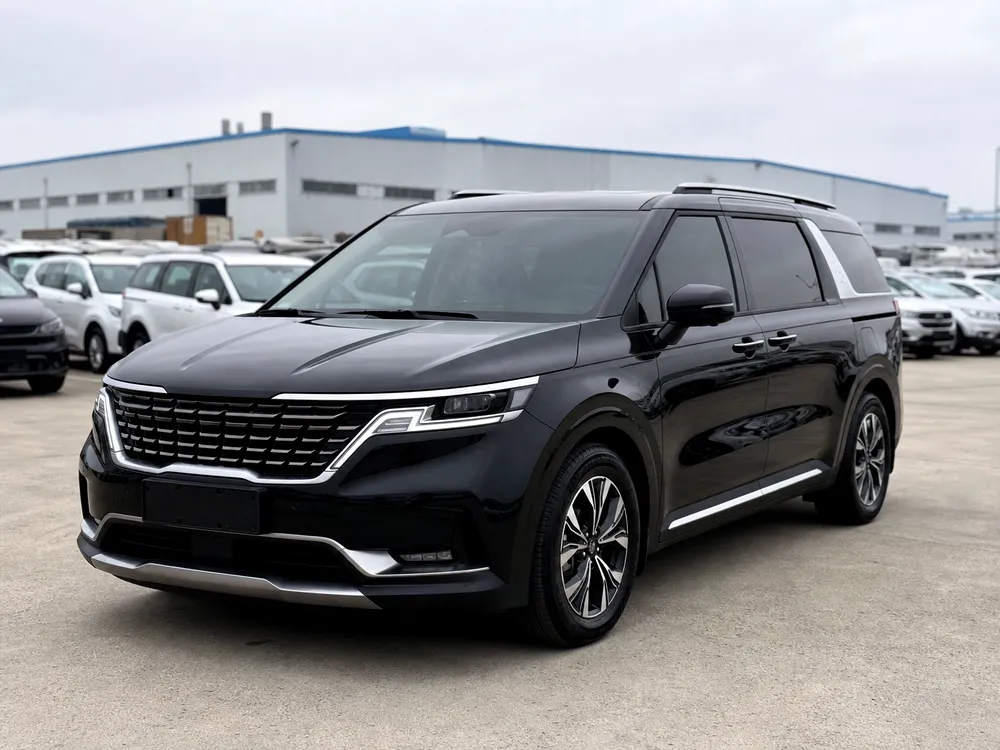
From a fleet exporter’s desk in Busan, here is what actually matters when you import in volume. A van that seats eight and sips fuel is a business, not just a vehicle. Here is how the Kia Carnival and its siblings perform as shuttle and family export units.
The van is a business in itself
When a dealer asks us for a van, they are rarely buying a family runabout — they are buying a machine that has to earn its keep carrying people for money. A shuttle operator, a hotel transfer service, a school run, a large family that doubles as a part-time taxi: in our markets the van is income on wheels. That changes what matters. Seat count, fuel economy, durability under daily loaded use and resale to the next operator all outrank cabin gadgets. From the Busan desk, vans are some of our most reliable repeat sellers precisely because they pay for themselves, and the Kia Carnival sits at the centre of that demand.
Why the Carnival leads
The Kia Carnival is the van we ship most, and it leads for honest reasons. It seats up to eight or nine depending on configuration, with genuinely usable space rather than cramped jump seats, so a shuttle operator can carry a full, paying load. The ride is comfortable enough for long airport and inter-town transfers, which keeps passengers coming back. It shares much of its mechanical base with Hyundai and Kia SUVs, so parts and service follow the same easy path as the rest of the range. And it carries a near-premium image that lets a family-business operator charge a little more than a tired old minibus. For most of our van buyers, it is the default pick.
Seating, fuel and the operator's math
An operator's profit is a simple equation: passengers carried versus fuel and running cost, and a good van wins on both sides. The Carnival's seat count means more fare-paying bodies per trip, while its fuel economy — especially in diesel form — keeps the cost per kilometre down on the long runs these vans actually do. We push buyers to think in cost-per-seat-kilometre rather than sticker price, because a van that costs a little more but seats more and drinks less is the cheaper vehicle over a year of service. Spec matters here: the right engine, a configuration that maximises usable seats, and a clean, durable interior that survives constant passenger turnover without looking worn.
Reading real demand in your market
Van demand is not uniform, and matching the right spec to your market is what separates a fast sale from a slow one. Tourist and hotel corridors want comfortable, clean, higher-trim vans for airport transfers. Dense urban routes want maximum seats and bulletproof simplicity. Large families buying for mixed personal and side-income use want value and easy service above all. We help buyers read which of these their city leans toward, because importing a luxury-trim van into a hard-route market, or a stripped shuttle into a tourist corridor, leaves you with a unit that sits. Tell us who your customer is and we will spec the van — engine, trim, seat layout — to match the work it will actually do.
Beyond the Carnival
The Carnival is the headline, but it is not the only van worth shipping, and the right second option depends on the job. For lighter commercial and mixed cargo-and-people duty, smaller Korean vans and the Bongo light truck serve buyers who need flexibility more than passenger comfort. Where a market wants pure people-moving on a tighter budget, an older-generation van can be the entry unit that still turns a profit. We match the vehicle to the work: a hotel fleet and a rural goods-and-passengers operator need very different machines. Building a van order is less about brand loyalty and more about honestly defining the daily task, then putting the cheapest reliable vehicle that does it on the boat.
Specifying a van that earns
A van that earns is one bought with the operator's whole year in mind, not just the import price. We screen for the things that quietly make or break a working van: a clean, hard-wearing interior, an engine and gearbox suited to constant loaded running, service history that holds up, and a configuration that maximises paying seats. Because these vans share parts with the wider Hyundai and Kia range, keeping them on the road is straightforward wherever you sell. We benchmark pricing to the Korean domestic market and quote FOB Busan with freight separate, so you can see your real cost per seat before you commit. Send us your route and passenger load, and we will build the van around the business.
Ready to start? Browse current stock or message us on WhatsApp with your target model and destination port.