Container Consolidation: Fitting 2 to 4 Cars in a 40ft Container
From a fleet exporter’s desk in Busan, here is what actually matters when you import in volume. Splitting a 40ft container across several cars is the cleanest way to cut freight per unit. Here is how we fit, brace and load 2 to 4 vehicles from Busan.
Why consolidate at all
The single biggest lever on landed cost that you control is freight per unit, and container consolidation is how you pull it. A 40ft container costs roughly the same to ship whether it carries one car or four, so every additional vehicle you fit divides that fixed cost further. Put two cars in and your per-unit ocean freight roughly halves versus shipping each alone; fit three or four and it falls again. For a dealer buying a lot, that saving often decides whether a unit clears a real margin or a thin one. RoRo has its place for single high units, but for a mixed batch out of Busan, a well-packed container is usually the cheaper path per car.
How many cars actually fit
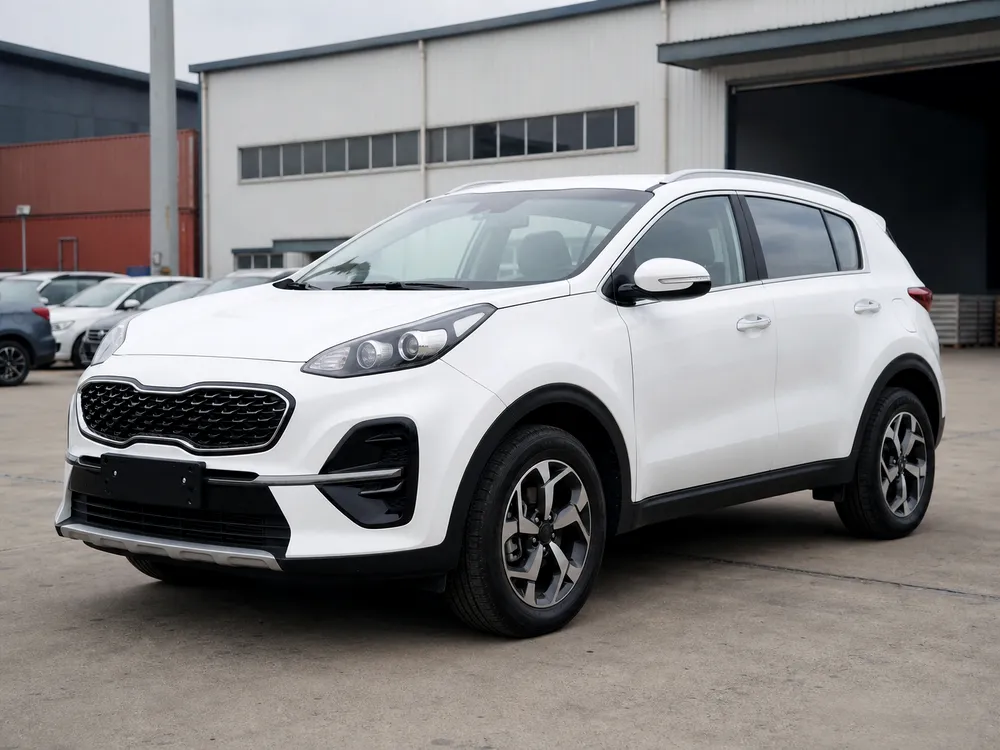
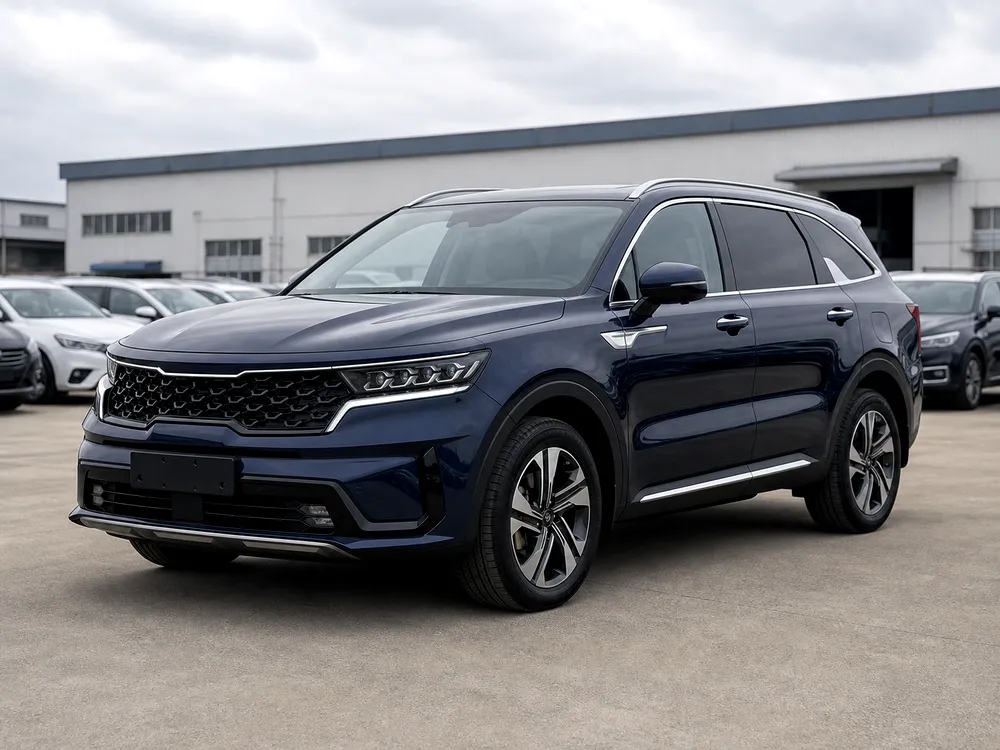
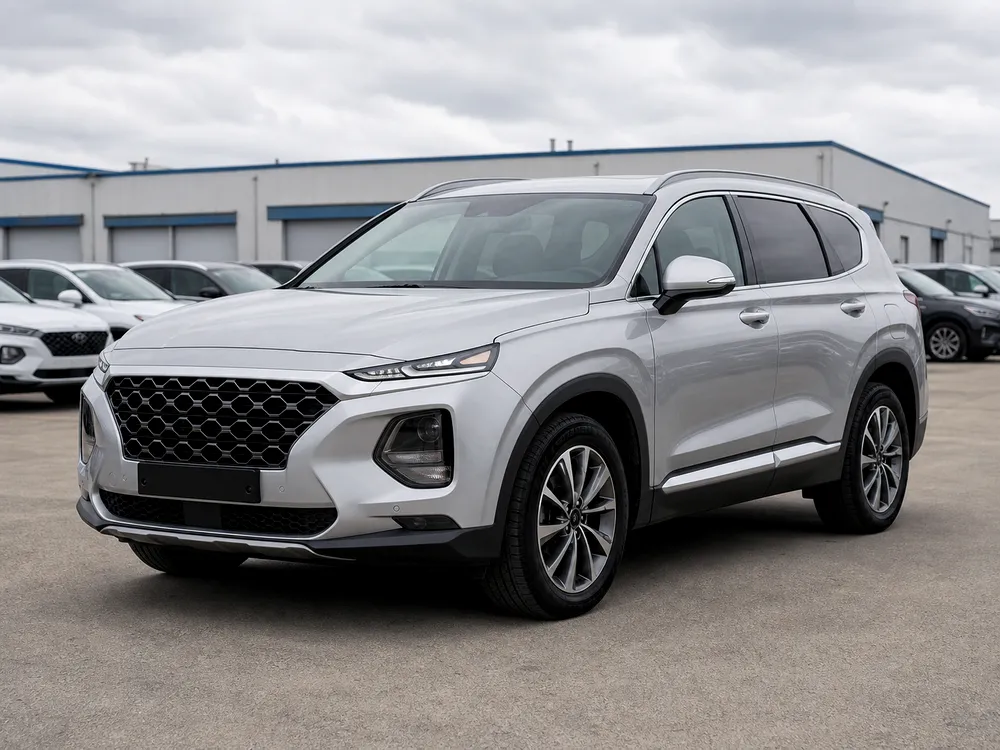
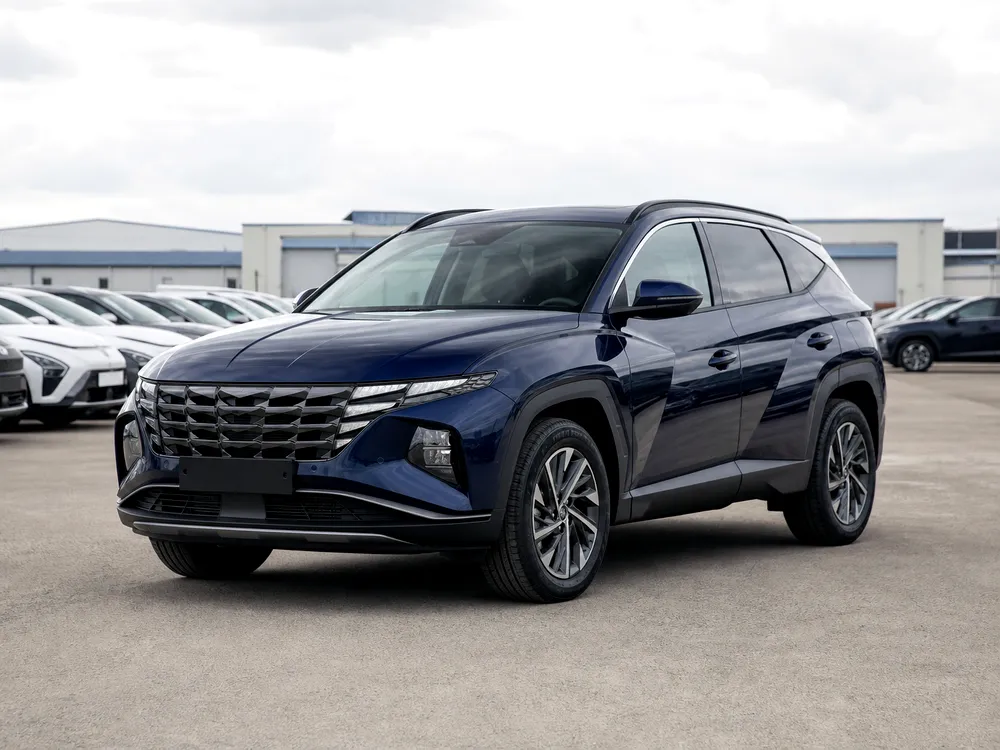
The honest answer is that it depends on the cars, not the container. A standard 40ft container is about 12 metres long inside, so two mid-size SUVs like a Santa Fe sit comfortably nose to tail with room for securing. Sedans such as the Avante or Sonata pack tighter, and three is realistic. Four cars in a 40ft is achievable with smaller cars or with racking that angles or tilts units to use vertical space, though racking adds cost and handling complexity. We plan the count during loading based on the actual footprint of your specific units, not a generic chart. Mixing a couple of SUVs with a couple of compact sedans is often the most space-efficient combination.
Loading sequence and weight
Loading order matters as much as the count. We position the heaviest unit first and distribute weight so the container is not nose-heavy or tail-heavy, which keeps it within axle limits for road haulage at both ends and stable at sea. Cars go in low on fuel, as required, and we leave clearance between bumpers and walls so nothing rubs in transit. Doors are checked so they can be opened enough to drive a car in and out without damage at the destination. A rushed load that ignores sequence is how panels get scratched and how a container gets flagged for weight. We treat the loading plan as part of the quote, not an afterthought at the dock.
Bracing and securing basics
A car that moves inside a container is a car that arrives damaged, so bracing is where care pays off. Each vehicle is chocked at the wheels and lashed down through its tow points or wheels using rated straps, never improvised rope. Wooden bracing and blocks fill gaps so a unit cannot roll or slide if the ship pitches. We protect contact points and mirrors, and we make sure nothing presses on a panel under load. Good securing is invisible when it works and obvious when it fails. This is the step that separates a professional consolidation from a gamble, and it is exactly the part an inexperienced shipper tends to skimp on to save an hour.
The paperwork side of consolidation
Putting several cars in one container does not mean one set of documents covers everything — each vehicle still needs its own export and title paperwork, but they travel under one bill of lading for the container. That single bill simplifies your customs clearance at the destination and keeps the shipment on one track. We make sure each unit's documents match the container manifest exactly, because a mismatch between what is on paper and what is in the box is the fastest way to get held at the port. We quote FOB Busan with freight separate, so you see the container cost clearly and can divide it across your units to know each car's true ocean freight share.
Is consolidation right for your shipment
Consolidation wins when you are moving a batch of similar-sized cars to one port and you care about per-unit cost. It is less attractive if you have a single very large or very valuable unit where RoRo handling is simpler, or if your cars are going to different destinations. For most dealers buying a mixed lot from us, two to four cars in a 40ft container is the sweet spot: meaningful freight savings, manageable loading, one bill of lading. Tell us your units and your destination port, and we will tell you honestly how many fit, what the per-car freight works out to, and whether a container or RoRo serves you better on that particular run.
Ready to start? Browse current stock or message us on WhatsApp with your target model and destination port.